Blog
Blog

Audit committee activated to investigate the ASF outbreak
09th December 2025 - News
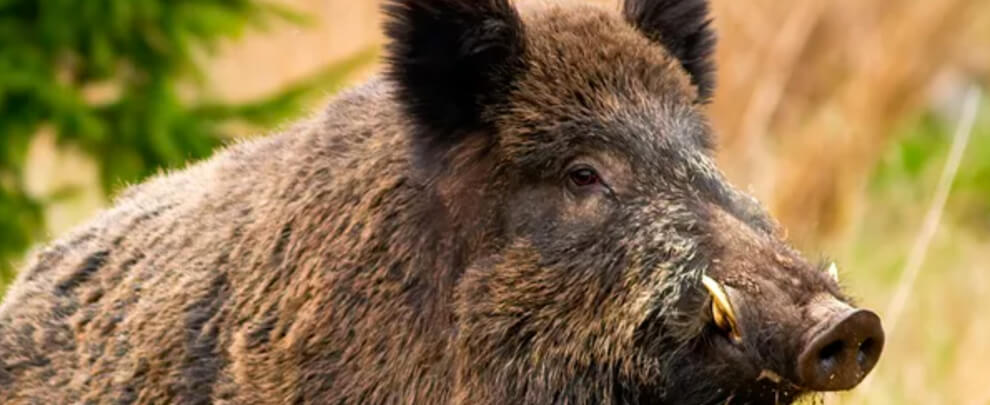
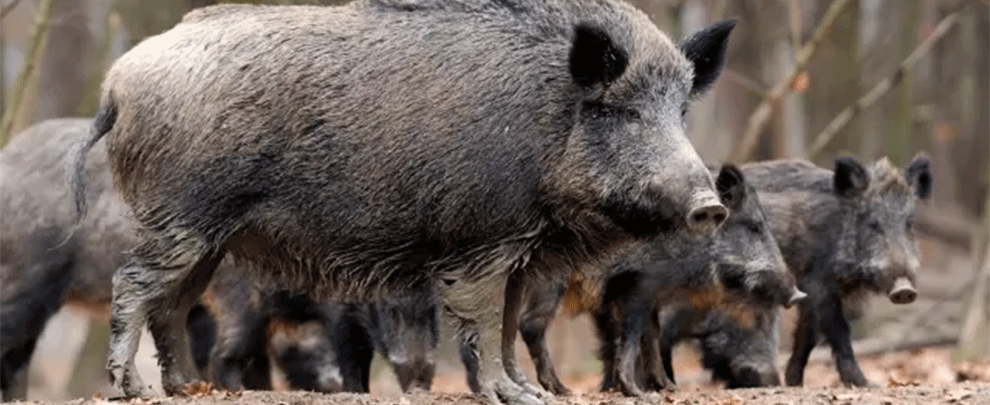
The recent African swine fever (ASF) outbreak detected in the Collserola area, with 13 wild boars confirmed to date, has triggered the largest scientific, technical and operational deployment in Catalonia since the beginning of the health crisis. Although the disease remains confined to wildlife and no cases have been detected on farms, the Spanish pig sector has strengthened all its measures to ensure the virus does not cross the natural boundary that keeps it contained.
An international Audit Committee to clarify the origin of the outbreak
The Catalan Government has announced the creation of an Audit Committee made up of experts of internationally recognised prestige. Its mission will be to support and advise IRTA-CReSA during the investigation aimed at clarifying how the virus reached the area. The group, composed of specialists from leading European and national reference centres, will provide a multidisciplinary perspective ranging from biocontainment facility management to environmental virology and animal disease control.
The committee includes professionals with extensive experience in managing high biological containment laboratories, designing biosecurity protocols and participating in European expert working groups. They will meet daily to assess the situation and propose lines of action to clarify the origin of the outbreak and strengthen prevention mechanisms.
Investigation coordinated with security forces and veterinary services
The investigation into the origin of the outbreak is progressing in full coordination between the Guardia Civil, Mossos d’Esquadra, Agents Rurals and the official veterinary services. This collaboration allows simultaneous action in scientific investigation, access control to the affected perimeter and monitoring of wild boar movements. Surveillance has remained active from day one, both in forest areas and on pig farms located within the control radius.
Epidemiological situation: 13 cases and no affected farms
The number of positive cases remains stable at 13, all located within a very limited area of Collserola Park. Within this surveillance zone there are 91 municipalities and 55 farms, which are subject to regular sampling that has so far returned negative results. No compatible symptoms have been observed in domestic livestock, confirming that ASF remains confined to wildlife.
The European Commission has recommended not applying sanitary culling, a measure that would only be considered if a positive case were detected on a farm. As a result, production activity continues as normal. Farms within the perimeter hold a census of around 61,500 animals and, as explained by Minister Ordeig, fattening pigs will continue to be sent to slaughter gradually and in an orderly manner, in full compliance with biosecurity measures. Meat from these animals may be marketed within the national territory.
Reinforced controls, restrictions and public cooperation
During the management of the outbreak, security forces have reinforced controls at access points to the affected area to prevent unauthorised entry and minimise any risk of virus spread. Restrictions on leisure activities in natural areas remain in force, with exceptions for access to homes, economic activities in enclosed spaces and services such as restaurants or sports facilities.
Public cooperation has played a key role in passive surveillance. Since the start of the crisis, around 1,500 calls have been made to the emergency number 112 reporting dead or sick wild boars, a contribution that authorities consider essential for early detection of any anomaly.
A sector prepared to contain ASF
Despite the concern generated by any ASF outbreak in Europe, the Spanish pig sector maintains a level of biosecurity and surveillance. Coordination between administrations, cooperatives, integrators, veterinarians and research centres allows rapid and decisive measures to be applied in any risk situation.
The Collserola outbreak has once again demonstrated the sector’s capacity to respond, continuing to work with caution, technical rigour and a strong commitment to preventing the disease from entering farms. The current strategy focuses on maintaining active and passive surveillance, strengthening training and tightening biosecurity protocols across all links in the chain.
Source: DARP.