Blog
Blog
How to address the reduction of antibiotics in pig farms?
27th November 2025 - News
Across Europe, an increasing number of pig farms face the challenge of producing healthy animals while using minimal antibiotics. To achieve this, it is essential to refine management protocols, adjust nutrition, and rely on innovative solutions that help maintain performance without depending on preventive medication.
Use of antibiotics in swine: regulatory evolution and current context
For years, antibiotics were a key tool to treat sick animals, prevent outbreaks and, until 2006, even enhance growth and feed efficiency in Europe as growth promoters. However, the rise of antimicrobial resistance led the European Union to progressively tighten regulations, culminating in the 2022 legislation, which bans the preventive use of antibiotics and strictly limits metaphylactic use, always under veterinary supervision and only in justified situations.
Added to this regulatory shift is the withdrawal of therapeutic-dose zinc oxide, also implemented in 2022. ZnO had been essential for controlling post-weaning diarrhoea, but its environmental impact and its link to antimicrobial resistance prompted its removal. Its absence now requires reinforcing digestible nutrition and adopting alternatives to zinc oxide that support gut health in piglets.
Alongside these legislative requirements, consumers, retailers and export markets increasingly demand pig products produced with minimal antibiotics, especially in premium lines. For farmers, this means adapting production systems without compromising health, welfare or performance.
Farm management strategies to reduce antibiotic use
On-farm management is the first line of defence when aiming to reduce antibiotic reliance. Biosecurity must operate flawlessly: minimising pathogen entry, applying all-in/all-out flows, controlling access, cleaning and disinfecting facilities and vehicles, and ensuring orderly logistics for both animals and personnel.
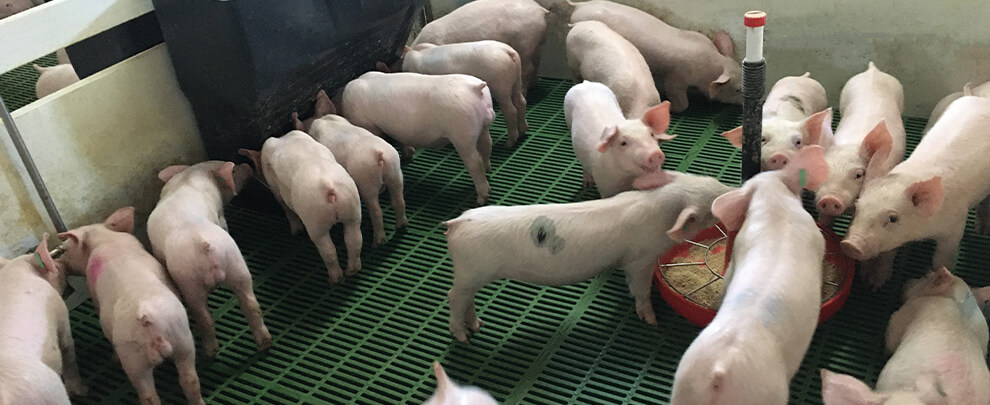
The farm environment has a direct impact on health. Proper ventilation, adequate stocking density per pen, and clear separation of resting and feeding areas help reduce stress and, consequently, the pig’s susceptibility to disease. Technologies such as automatic climate-control systems, high-drainage flooring and precision feeders help maintain stable conditions that lower pathogen pressure.
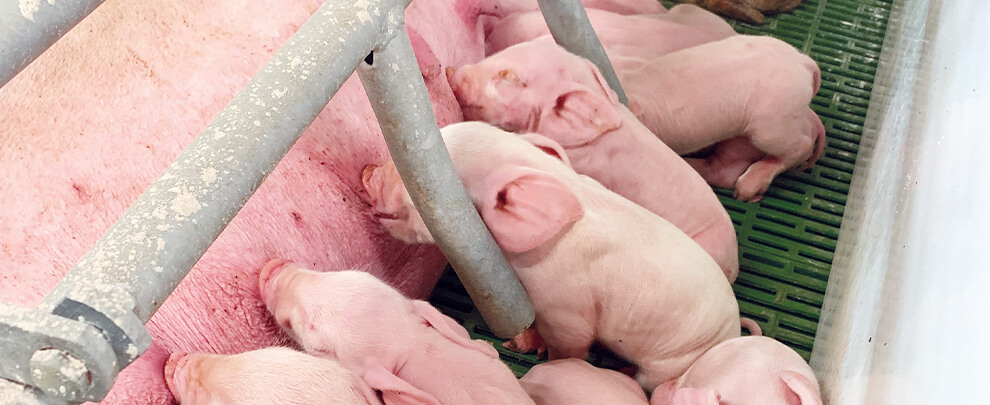
At birth and during the first hours of life, the priority is to ensure sufficient colostrum intake. Farrowing assistance, nests and proper management of piglets after birth, including organising litters and performing adoptions so that all piglets can nurse without excessive competition, strengthen the piglet’s initial immunity and reduce the likelihood of later problems, thereby decreasing the future need for treatments.
Swine nutrition to improve digestive health
Nutrition is one of the fundamental pillars for achieving more robust pigs within low-medication systems. Gut health, home to around 70% of the animal’s immune system, must be a priority.
Highly digestible diets support the post-weaning transition and reduce undigested nutrients that feed pathogenic bacteria. Functional fibres, acidifiers and organic trace minerals contribute to a balanced microbiome and a more effective immune response.
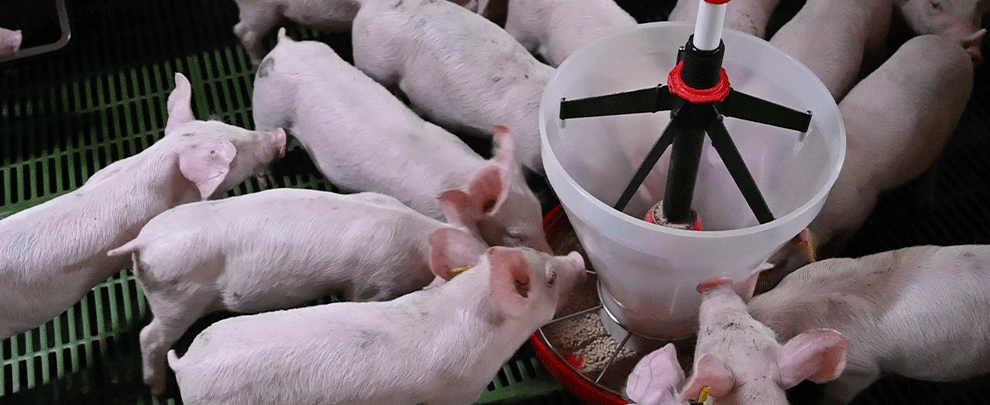
Innovative feeding systems allow rations to be adjusted to the pig’s real needs. This reduces feed waste, avoids excesses that destabilise the gut, and improves feed efficiency, key factors for eliminating preventive medications.
Gut health in swine
Research has increasingly focused on the gut, the origin of approximately 90% of diseases affecting pigs. Today, solutions based on functional yeast fractions, prebiotics and other natural compounds help limit pathogen adhesión, such as Salmonella spp. and E. coli, reduce intestinal inflammation, and support a diverse and stable microbiome.
These tools allow for a significant reduction in antibiotic use when integrated into a plan that combines management, biosecurity, and nutrition adapted to each phase.
Pig production with fewer antibiotics
Working with fewer antibiotics does not necessarily mean increased disease. The key is anticipating health challenges and reinforcing prevention. Farms that strengthen biosecurity, maintain controlled environments, apply precise farrowing and weaning management, formulate diets focused on gut health and adopt scientifically validated technologies achieve more resilient, efficient and productive animals.
The goal is not just to reduce antibiotics. It is to build a system in which animals rarely need them. And that model is based on prevention, knowledge and rigorous daily management.