Blog
Blog

Ten new ASF cases in wild boar raise the number of affected animals in Catalonia to 26
05th December 2025 - News
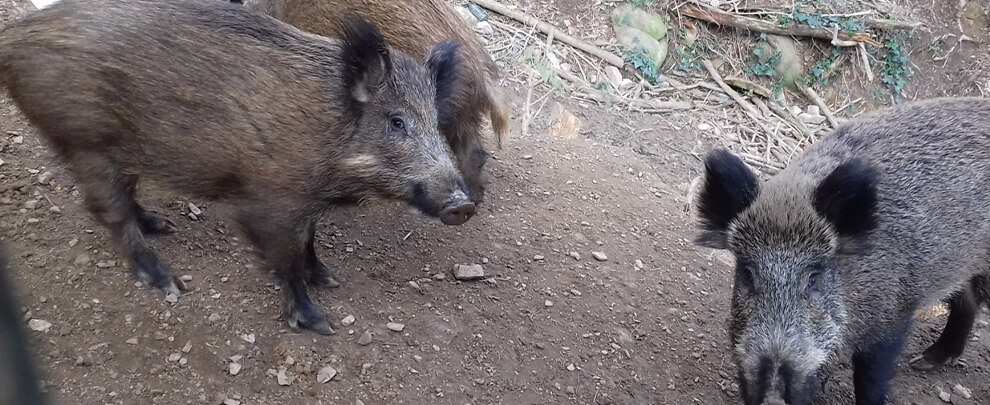
The Central Veterinary Laboratory of Algete (Madrid) has confirmed new positive cases of African swine fever (ASF) in 10 additional wild boar, located in the vicinity of the cases previously detected in the municipality of Cerdanyola del Vallès (Barcelona). With these new confirmations, the total number of affected wild boar rises to 26 animals, all of them concentrated in the same geographical area. These results reinforce the hypothesis that the disease remains highly localized, although the authorities are maintaining a high level of alert and surveillance to prevent its spread to other areas.
Delimitation of the control zone and biosecurity measures
The health authorities are maintaining the control and surveillance zone, defined within a 20-kilometre radius around the detected African swine fever outbreak in wild boar. Within this perimeter, hunting restrictions remain in force, along with intensive actions involving active carcass searches, trapping, and the reduction of wild boar population density.
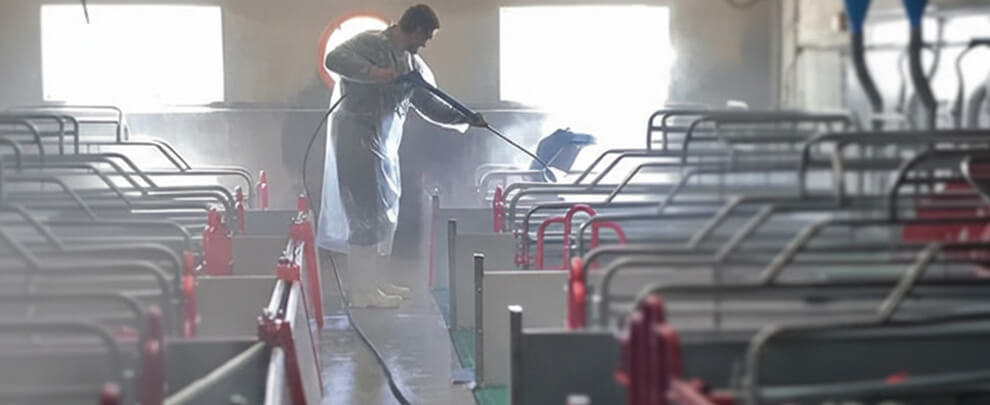
At the same time, biosecurity measures have been reinforced, particularly at access points to the affected area, where the disinfection of vehicles and people remains mandatory, as well as strict limitations on the entry of unauthorized personnel.
Reinforcement of surveillance and access control in the infected area
The official veterinary services of Catalonia, together with the Cos d’Agents Rurals, continue to work in close coordination with the Military Emergency Unit (UME), the Mossos d’Esquadra, the Guardia Civil (SEPRONA), and local police forces to ensure access control and compliance with ASF containment measures.
Fieldwork includes the systematic search for dead wild boar, the collection and analysis of carcasses, the installation and inspection of traps, surveillance to prevent unauthorized access to the infected area, and the use of drones to inspect hard-to-reach locations.
As a result of this operation, an additional 208 animal carcasses found dead in natural environments, roads, and railway lines both within and around the infected zone have been analysed, all of them with negative results, confirming that positive cases remain confined to a very specific area.