Blog
Blog

Spain detects two cases of African Swine Fever in wild animals
28th November 2025 - News
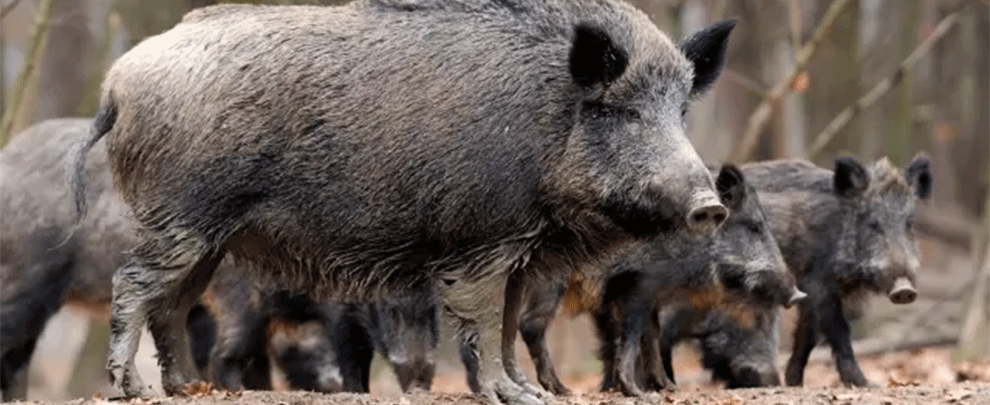
The official veterinary services of the Government of Catalonia have notified the Ministry of Agriculture, Fisheries and Food of the detection of two wild boars positive for the African swine fever (ASF) virus in Bellaterra (Barcelona). The animals were found dead on 26 November, and analyses carried out by the Central Veterinary Laboratory of Algete (Madrid) confirmed the presence of the virus. These positives represent the first detection of the disease in Spain since November 1994.
Infected zone and ASF protocol
The official veterinary services were informed of the detection of two wild boar carcasses located approximately 1 km apart, in the vicinity of the Autonomous University of Barcelona campus. The practical operational manual for ASF control has been activated, which includes delimiting the infected zone, active search and official removal of wild boar carcasses, prohibition of hunting in the area to prevent wild boar movement into free zones, restrictions on non-essential activities, reinforced passive surveillance, and biosecurity measures on pig farms, including official inspections, among others.
Biosecurity measures on pig farms and wild boar control
In this context, the ministry urges the pig sector to strengthen all biosecurity and surveillance measures on pig farms and wild boar populations, as well as in the transport of animals. Additionally, it reminds the public of the obligation to report any suspected cases, both in wildlife and in domestic pig farms, throughout the national territory. At the same time, investigations have already begun to determine the possible source of the disease detected in these wild animals.
ASF situation in Europe: affected countries and evolution
ASF has been present in the European Union since its introduction in the Baltic countries and Poland in 2014. It currently affects wild boar populations and, in some cases, domestic pig farms in 13 countries (Italy, Germany, Poland, Estonia, Latvia, Lithuania, Slovakia, Czech Republic, Hungary, Greece, Romania, Bulgaria and Croatia). Belgium, Sweden and the Czech Republic succeeded in eradicating it after applying strict control and surveillance measures, in situations similar to the one now detected in Spain.
This is a non-zoonotic disease; that is, humans cannot be infected either through direct contact or by consuming pork products. The European Union classifies this disease as category A, which requires Member States to apply precise measures to control and eradicate it in affected areas.
Source: MAPA.