Blog
Blog
Six months of fighting African swine fever in Catalonia
05th June 2026 - News
Six months after the first case of African swine fever (ASF) was detected in Catalonia, the disease remains present in wildlife. The latest update from the Catalan Government has confirmed 11 new positive cases in wild boar detected within the infected zone.
The new positives, detected in municipalities within the reinforced surveillance area, highlight that the virus continues to circulate among wild boar populations despite the intensive control measures deployed over recent months. However, authorities consider that the evolution of the situation confirms the effectiveness of the actions implemented to limit its spread and protect the pig sector.
No cases in pig farms
One of the most relevant findings of these six months of outbreak management is that the disease has not been detected in domestic pig farms. Keeping the virus out of farms has been the main objective of the health authorities and the sector, given the strategic importance of pig production for both the Catalan and Spanish economies. In this regard, strengthened biosecurity measures, continuous veterinary surveillance, and strict control of animal movements have helped preserve the sanitary status of farms located both inside and outside restricted zones.
More than 330 positive cases in wild boar since the start of the outbreak
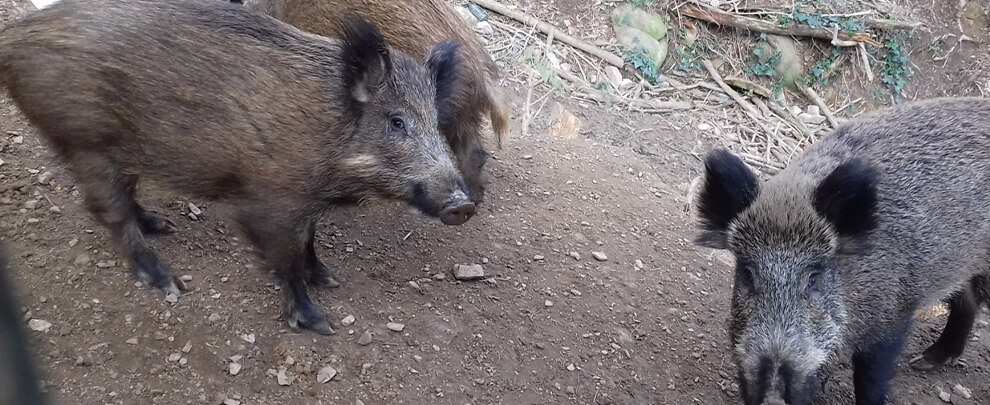
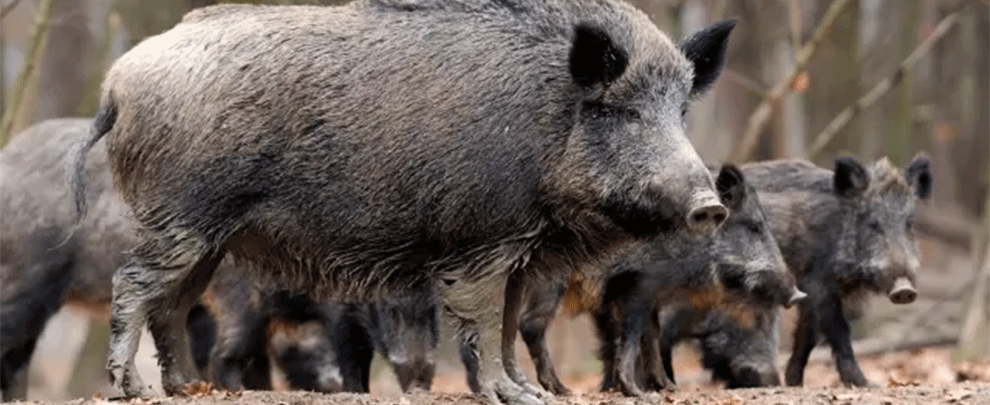
Since the confirmation of African swine fever in Catalonia, the outbreak has remained confined to wildlife, with a total of 336 confirmed cases in wild boar. This situation has reinforced the role of this species as the main reservoir of the virus and has highlighted the difficulty of controlling it in natural environments.
In this context, surveillance has been maintained continuously and has relied on the analysis of dead animals and on captures carried out within the affected zone. This monitoring has allowed authorities to maintain an up-to-date picture of viral circulation, more precisely delineate risk areas, and adjust field operations according to the epidemiological situation, without duplicating already implemented work lines.
In addition, wild boar population control has remained one of the central pillars of the strategy. Since the start of the outbreak, more than 6,500 animals have been removed in the infected zone, while across Catalonia the total exceeds 26,000 animals.
To achieve these figures, authorities have implemented extraordinary measures including the extension of hunting activity, reinforcement of capture operations, and the installation of specific systems in affected municipalities. These interventions have aimed to reduce population density and minimise interaction between infected and healthy animals, in order to limit virus transmission and consolidate disease control in the territory.
Control and surveillance strategy
The response to African swine fever has involved one of the largest deployments of sanitary and environmental resources in Catalonia for the control of an animal disease. More than one thousand professionals, including rural agents, veterinarians, technicians, Mossos d’Esquadra, and specialised staff, have worked in a coordinated manner in field surveillance, control, and response tasks.
During these months, the system has included the installation of traps, collective capture systems, strategic fencing, and monitoring tools designed to limit wild boar movements and strengthen early detection of new cases. In parallel, thousands of samples have been analysed, enabling continuous tracking of the outbreak and adjustment of measures based on results obtained.
This set of actions has made it possible to maintain an up-to-date monitoring of the epidemiological situation and to respond quickly to each new detection, consolidating an intensive operational model in the affected area. With the experience accumulated over the six months since the outbreak began, authorities have now entered a phase focused on consolidating results and progressively advancing towards the eradication of the virus in wildlife, with the aim of restoring sanitary stability in the affected territory.