Blog
Blog
What indicators distinguish the most efficient pig farms?
11th June 2026 - News
In a context marked by rising costs and the need for more sustainable production, every decision matters. However, when farms with similar levels of technical development are compared, results can vary significantly. Some manage to make better use of feed, reduce incidents, and maintain more stable production, while others face greater difficulties in achieving these same objectives.
The explanation is rarely found in a single decision or a specific technology. The most efficient farms typically stand out for their ability to interpret what happens daily within their facilities and transform that information into improvement actions. Behind the best results lies a management culture based on data, observation, and continuous analysis.
When examining the characteristics shared by these farms, a series of indicators emerge that act as true barometers of production efficiency. These parameters help determine whether available resources are being properly used and whether the system is operating close to its maximum potential.
Feed efficiency
If there is one indicator capable of summarizing much of what happens on a pig farm, it is feed conversion. The reason is simple: feeding represents the main production cost and is influenced by numerous factors that affect animal performance.
Pig farms with the best results pay constant attention to the relationship between feed intake and growth. When this relationship deteriorates, it is often a sign that something is not working correctly. It may be related to intestinal health issues, improper feeder adjustment, poor ventilation, or even stress situations affecting animal behavior.
For this reason, feed conversion becomes a key reference when evaluating management decisions, investments in pig equipment, and nutritional strategies. Beyond the isolated figure, what truly matters is its evolution over time and the ability to identify changes before they significantly impact costs.
Animal growth
The most efficient farms do not only look at how much animals weigh at the end of the cycle. Their focus is on how they develop day by day. Average daily gain helps determine whether animals are reaching their full productive potential and whether farm conditions support consistent growth. When growth slows down, the consequences often go far beyond the lost kilograms. The time required to reach target weight increases, facility occupancy is extended, and the cost per production place rises progressively.
What is particularly relevant is that this indicator often acts as an early warning signal. A reduction in growth rate can reveal problems that are not yet visible to the naked eye. Farms with stronger management capabilities use this information to investigate causes and act before the situation affects overall production.
Mortality
Few figures generate as much concern as mortality. However, beyond direct economic losses, this indicator provides highly valuable insight into the overall functioning of the farm.
When losses remain consistently under control, there is usually a balanced combination of biosecurity, management, animal welfare, and health monitoring behind it. In contrast, sudden increases or upward trends often reveal deficiencies affecting different areas of the production system.
Efficient farms do not wait for serious problems to appear before analyzing this parameter. They monitor it continuously, study the causes of each incident, and look for patterns that help prevent similar situations in the future. This learning capacity contributes to building more stable and predictable production systems.
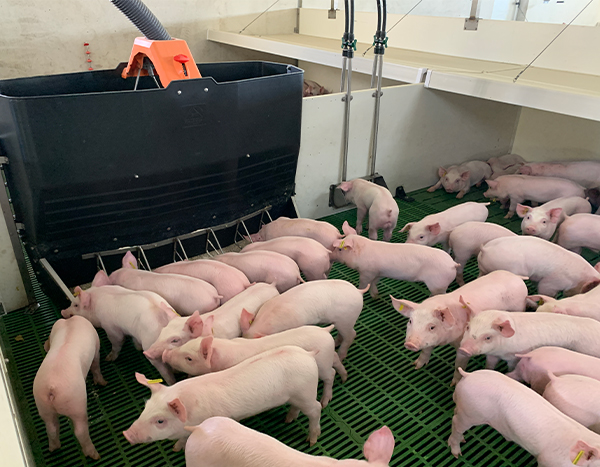
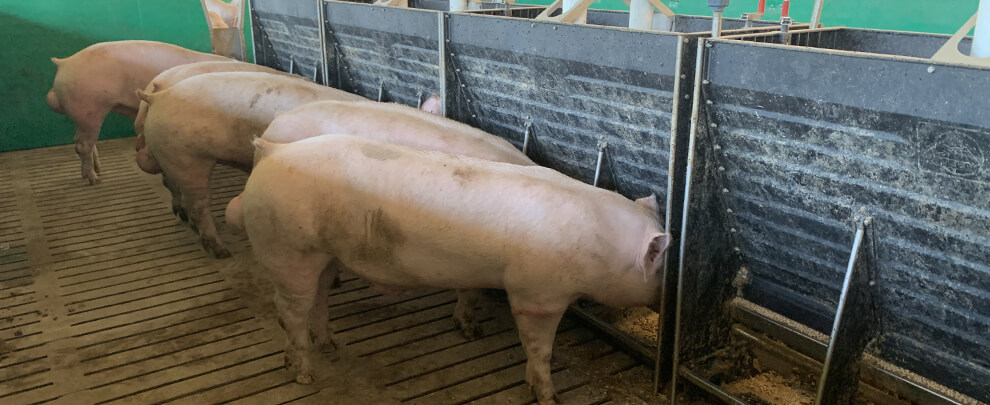
The relationship between feed consumption and growth indicates the farm's productive efficiency. Photo: Rotecna.
Water provides valuable information
Although it often receives less attention than feed, water consumption is an extraordinary source of information. In many cases, the first signs of a problem appear in water records before becoming visible in other production indicators.
Animals quickly change their drinking patterns when experiencing stress, health disorders, or adaptation issues. For this reason, advanced farms incorporate monitoring systems that allow changes to be detected in near real time.
Beyond its role as an indicator, water directly influences production performance. Availability, quality, and proper functioning of drinkers affect feed intake and, consequently, growth rate. Efficient water management is part of a broader resource optimization strategy.
Reproductive performance
In farms focused on piglet production, reproductive indicators provide a highly accurate view of achieved efficiency. Sow productivity determines the number of animals available for subsequent stages and significantly impacts production costs.
The best-performing farms are typically characterized by a high level of consistency in parameters such as live-born piglets, weaned piglets per sow, and farrowing rate. This stability is not random; it results from a combination of planning, individual monitoring, adequate nutrition, and health control.
Improving reproductive indicators creates a cumulative effect across the entire production system. When the reproductive base performs well, it becomes easier to optimize facility utilization and efficiently plan resources.
Efficiency depends on how data is interpreted
Beyond any individual indicator, the most efficient pig farms share a common ability: understanding what the data is telling them. Their advantage lies not only in measuring production parameters, but in interpreting the connections between them and using this information to make better decisions.
In practice, indicators rarely act independently. A worsening of feed conversion may be linked to reduced water intake; a drop in weight gain may indicate environmental or management issues; and changes in animal behavior may precede increases in mortality. Analyzing these relationships allows deviations to be detected before they significantly impact production.
Digitalization has made this approach easier by providing real-time information and a more complete view of farm operations. However, technology alone does not guarantee better results. Real value emerges when data is transformed into practical knowledge that guides daily management and drives continuous improvement in production performance.