Blog
Blog
Is your pig farm ready for summer?
19th May 2026 - News
Heat can significantly alter the productive balance within a pig farm. During summer, animals tend to reduce feed intake, change their behavior, and show greater sensitivity to heat stress, especially in stages such as weaning and fattening. Although rising temperatures are part of the seasonal cycle, their effects on performance can intensify when facilities or management are not prepared to face the hottest weeks of the year.
In many cases, the impact of heat does not appear suddenly. A slight drop in feed intake, more apathetic animals, or lower batch uniformity are often some of the first warning signs. Anticipating these changes through proper farm preparation helps reduce health risks, protect animal welfare, and maintain greater productive stability during the summer.
When heat begins to affect pig performance
High temperatures directly influence pig physiology. Unlike other species, pigs have a limited ability to dissipate body heat, which forces them to modify their behavior when the environment exceeds certain thermal comfort levels.
The first response is usually a voluntary reduction in feed intake. This drop in intake quickly affects productive parameters such as average daily gain or feed conversion ratio. Growth slows down, more pronounced differences appear within the batch, and overall farm performance may be compromised if heat conditions persist for several weeks.
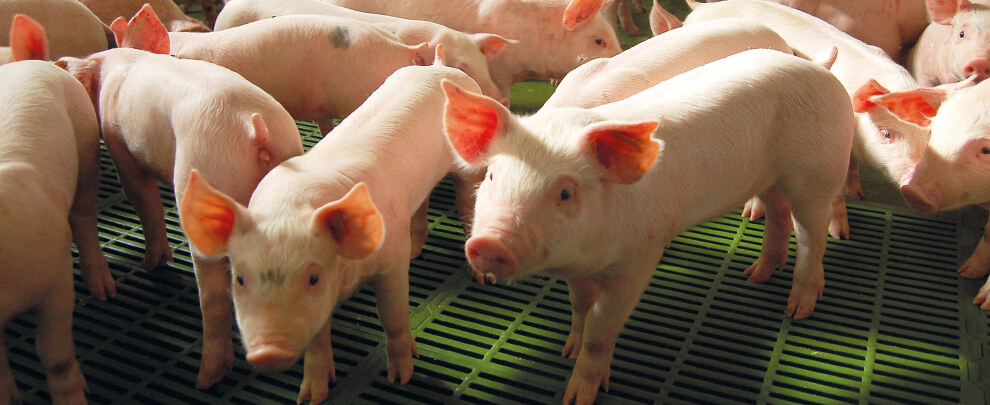
Alongside these productive changes, behavioral modifications are also common. Pigs spend more time lying down, seek cooler areas of the building, and increase water consumption in an attempt to regulate body temperature. When heat stress in pigs becomes more intense, panting, apathy, or a greater predisposition to certain digestive and respiratory issues may appear.
Early detection of these signs is essential. The sooner environmental conditions and management are adjusted, the lower the impact on welfare and batch productivity.
Ventilation
One of the factors that most influences animal behavior during summer is the indoor environment quality. Insufficient ventilation leads to the accumulation of heat, humidity, and gases, making it harder for pigs to maintain thermal balance. When this happens, the animal must make greater physiological effort to adapt, which ultimately affects growth and productive efficiency.
Preparing a pig farm for summer involves reviewing the ventilation system in advance and ensuring all components function correctly. Low-performance fans, poorly adjusted air inlets, or miscalibrated sensors can compromise environmental comfort precisely when thermal demand is at its highest.
It is also important to understand that not all production stages require the same air management. In finishing pigs, higher air speed helps dissipate body heat and improves comfort, while in more sensitive stages excessive drafts should be avoided, as they may generate stress or promote other imbalances.
Beyond ventilation, other factors also influence indoor temperature, such as insulation, facility orientation, or heat accumulation during the central hours of the day. For this reason, more and more farms are incorporating environmental monitoring systems that allow control of parameters such as temperature, relative humidity, or gas concentration, enabling action before visible problems appear in the animals.
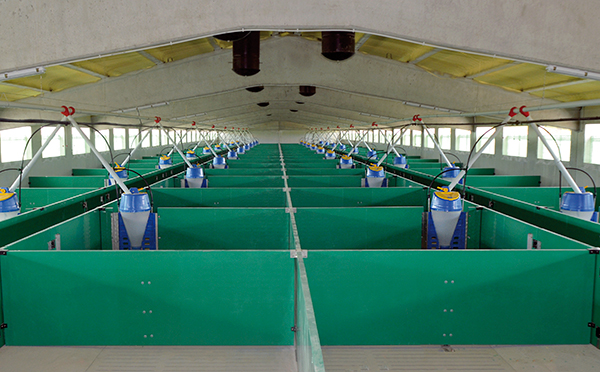
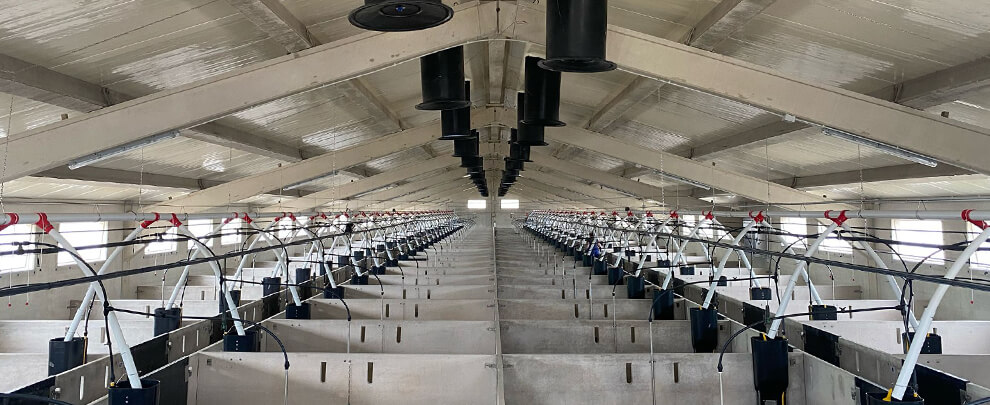
Before summer, make sure the ventilation is working properly. Photo: Ferber.
Water and feeding
Increased water consumption is one of the most evident physiological responses to heat. As environmental temperature rises, animals need to drink more to compensate for losses and maintain proper body regulation. However, this remains an issue on many farms, where insufficient flow rates, poorly adjusted drinkers, or pressure problems limit water access at critical times.
Ensuring a sufficient and constant supply is essential to reduce heat impact. Water quality also becomes especially important during summer, as high temperatures promote the proliferation of microorganisms in tanks and pipelines. Strengthening cleaning and monitoring tasks helps prevent issues that ultimately affect consumption and animal welfare.
Feeding is also commonly affected during this time of year. As heat increases, animals reduce feed intake, especially during the central hours of the day. For this reason, many farms adjust feeding schedules to encourage intake during the coolest periods, when pigs are more likely to eat.
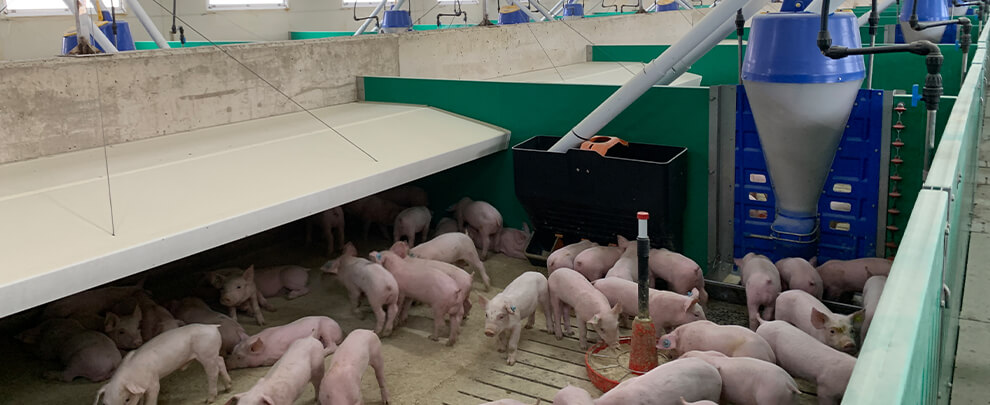
In parallel, it is advisable to review feeder adjustment to facilitate feed access and avoid waste. Maintaining adequate intake during summer has a direct effect on growth, uniformity, and batch stability, factors that are especially important in finishing phases.
Preparing before summer helps reduce risks
The arrival of heat requires adjustments to certain farm routines. Daily animal observation remains one of the most effective tools for detecting deviations before they affect productive performance. Panting, abnormal grouping, apathy, or sudden behavioral changes usually indicate that environmental conditions require immediate adjustment.
Management also plays an important role during this time of year. Reducing unnecessary movements, avoiding certain tasks during peak temperature hours, and minimizing stressful situations help improve animal adaptation to the environment.
Stocking density deserves special attention, as overcrowding hinders body heat dissipation and increases competition for resources such as water and feed. A more comfortable environment promotes a more stable response to high-temperature episodes and reduces the risk of production losses.
Summer does not necessarily have to lead to a drop in performance in pig farming, but it does require greater anticipation. Reviewing facilities, optimizing the indoor environment, and adapting management practices helps reduce the impact of heat stress in pigs and face the hottest months with greater productive stability.