Blog
Blog
Catalonia's pig sector loses €100 million due to the impact of ASF
09th July 2026 - News
Catalonia's pig farming sector accumulated losses of around €100 million during the first half of 2026 as a result of the sharp fall in prices caused mainly by African swine fever (ASF), according to estimates by Unió de Pagesos. The farmers' union estimates the average loss at €19.62 per live pig marketed, equivalent to 16 euro cents per kilogram of finished pig, after prices at the Mercolleida livestock market fell below production costs. This situation has caused the sector's economic margin to plunge by 156% compared with the same period last year, mainly due to the impact of the outbreak on price trends.
Pig prices fall below production costs
The average pig price at Mercolleida stood at €1.18 per kilogram during the first half of the year, 30.2% lower than in the same period of 2025. After falling to around €1.00 per kilogram following the outbreak of African swine fever (ASF), prices gradually recovered to €1.31 per kilogram in June. However, they remain below the production cost of €1.34 per kilogram, which is only 3.8% lower than a year earlier. According to Unió de Pagesos, this gap has pushed the sector into a negative economic margin for the first time in the past four years.
Despite the recovery seen in recent weeks, the outlook for the second half of the year remains negative. May, June and July typically record the highest live pig prices and, according to Unió de Pagesos, the market has already reached its peak. From this point on, the union expects prices to resume their downward trend, extending the sector's losses for the remainder of 2026.
Economic impact exceeds €265 million in Catalonia
Together with Unió d'Unions, the union carried out a simulation of how the market would have evolved without the outbreak of African swine fever. The study concludes that although prices were already expected to decline due to structural factors, the outbreak significantly accelerated the downturn. Based on these estimates, cumulative losses amount to €265 million in Catalonia and are estimated at around €1.000 million across Spain between the start of the outbreak and the end of June.
Exports increase in volume but lose value
The African swine fever (ASF) outbreak has also disrupted the sector's foreign trade. According to Unió de Pagesos, the loss of part of the export markets outside the European Union forced companies to redirect sales to other EU countries. Export volumes increased by 0.8% compared with the previous year, thanks to this shift in markets. However, the value of exports fell by 3.4% to €8.486 million, reflecting the decline in prices. The downturn became even more pronounced in the first quarter of 2026, when the value of exports dropped by 14.8% and the average unit price fell by 16.2%.
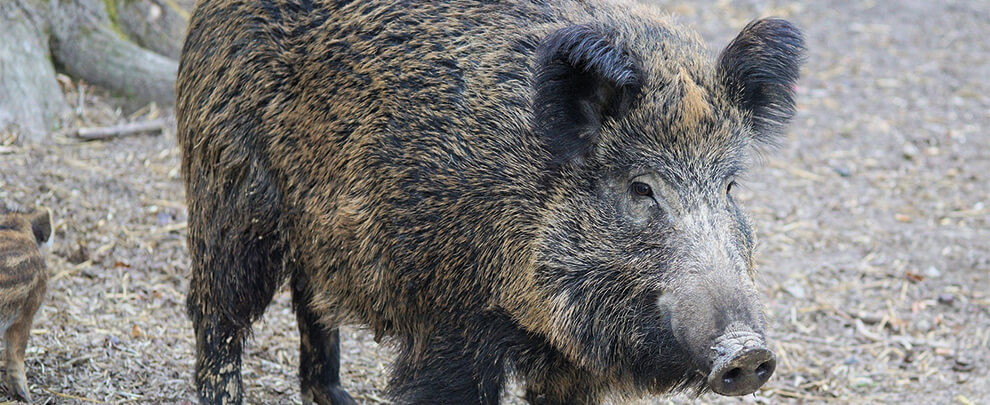
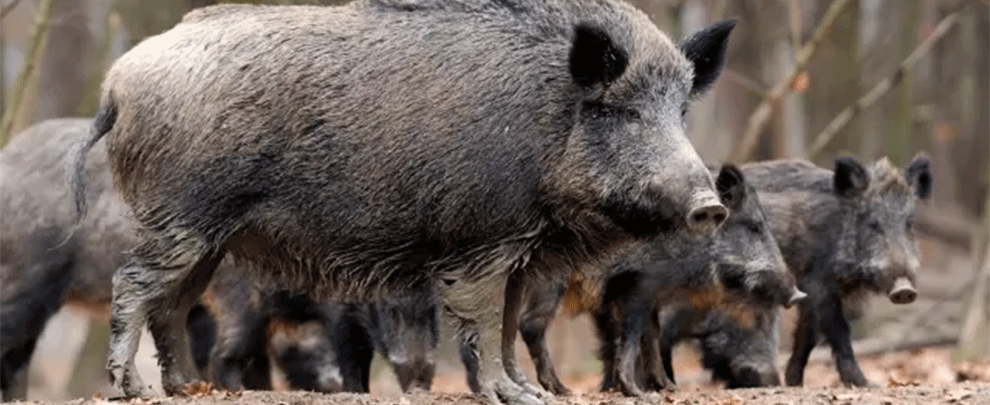
In response to this situation, Unió de Pagesos has called for intensified efforts to eradicate African swine fever (ASF) and urged that no resources be cut from the surveillance of the affected area's perimeter or from the control of the wild boar population. The union warns that new positive cases continue to be detected every week, preventing the process of regaining disease-free status from beginning, and is calling for additional personnel to reinforce the control operation.
Fewer pig farms
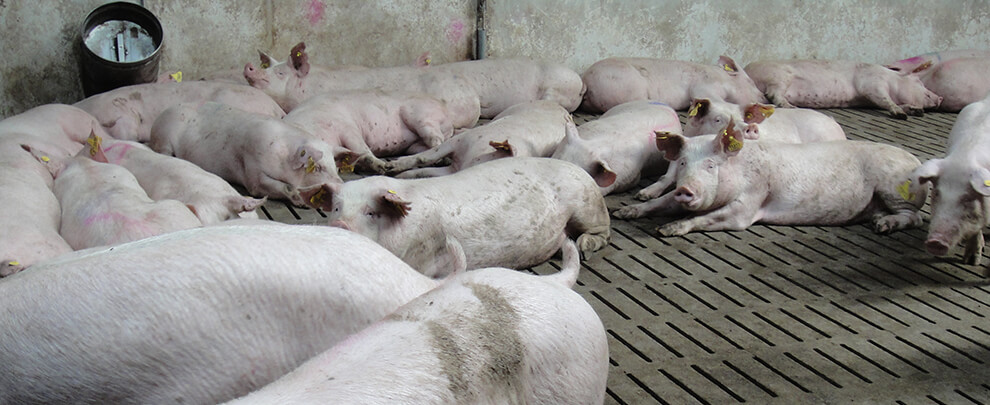
As for the structure of the sector, Catalonia had 5,231 pig farms as of 1 June, 23 fewer than at the end of 2025. Of these, 73.1% were finishing farms and 13.8% were breeding farms. According to Unió de Pagesos, this decline is due to retirements, the difficulties involved in opening new farms and the viability challenges faced by smaller farms in adapting to new regulatory requirements. Nevertheless, despite a 2.7% reduction in the pig population, the sector continues to move towards larger, more technologically advanced farms with greater production capacity.
In addition, the union highlighted Catalonia's incorporation this year into the national ECOGAN platform, a tool that will enable pig farms to report best available techniques, calculate pollutant emissions and submit manure management declarations through a single digital system.