Blog
Blog
Sow longevity: keys to reducing the replacement rate
15th October 2026 - News
Sow longevity is an indicator closely related to the efficiency of a pig farm. Getting a female to remain in the breeding herd for more cycles allows the investment made in her replacement, adaptation and entry into production to be used for longer. Conversely, a high culling rate of young sows increases the need for replacement and can reduce the productive stability of the herd.
The age at which a sow is removed does not depend on a single factor. Health, feeding, body condition, reproduction, the quality of the facilities and daily management all influence a sow’s ability to remain productive. Therefore, improving longevity is not only about prolonging the animals’ time in the herd, but about reducing premature culling and helping sows reach several reproductive cycles in good productive condition.
Why is it important to increase sow longevity?
Each replacement involves introducing a new female that still has to adapt to the system and reach a sufficient productive level to offset the resources spent on her incorporation. When removals are concentrated in the first cycles, the farm loses part of the potential of animals that have not yet developed their full productive life.
In addition, a high replacement rate can alter the herd structure and increase the proportion of young sows. This can have consequences for productivity and system stability, especially when culling is related to reproductive, health or locomotor problems. For this reason, longevity should be analyzed together with the reasons for culling and the number of cycles completed by the sows.
What factors determine longevity?
Health is one of the main factors. Problems that affect reproductive capacity, general condition or mobility can bring forward the culling of a sow. Prevention, early detection of problems and appropriate health management are therefore essential to prevent initially manageable disorders from ending up causing premature culling.
Feeding and body condition also play a decisive role. Sows must receive the necessary nutrients at each stage to maintain their body condition and to cope properly with gestation and the subsequent lactation. Both an excessive loss of body condition during lactation and inadequate feeding at other points in the cycle can compromise their later performance. In this regard, adjusting feeding to the needs of each animal makes it possible to work not only on the productivity of the current cycle, but also on her ability to remain in the breeding herd.
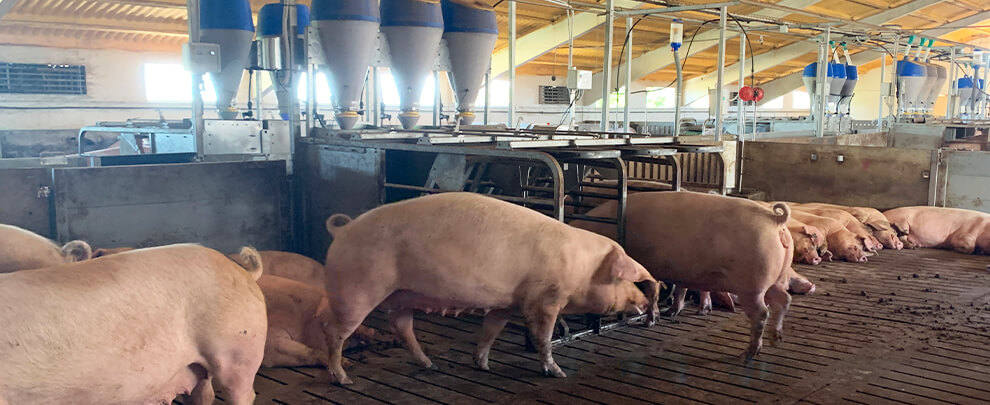
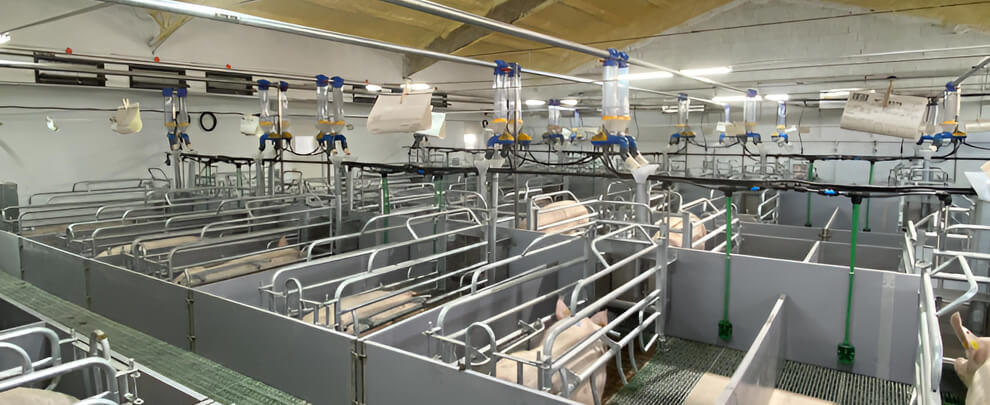
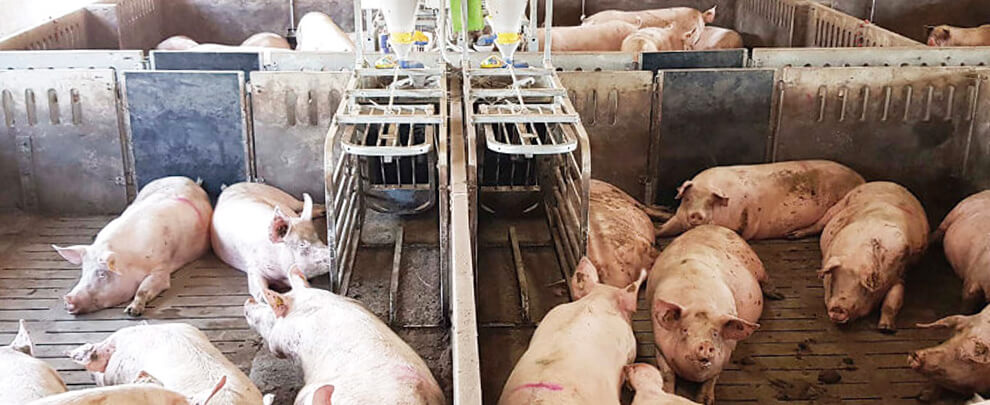
Housing conditions add to these factors. Floors, feeding and drinking systems, available space and facility design must facilitate movement and reduce situations that may favor injuries or locomotor problems. Proper management of these elements helps to preserve the sows’ functional capacity for longer.
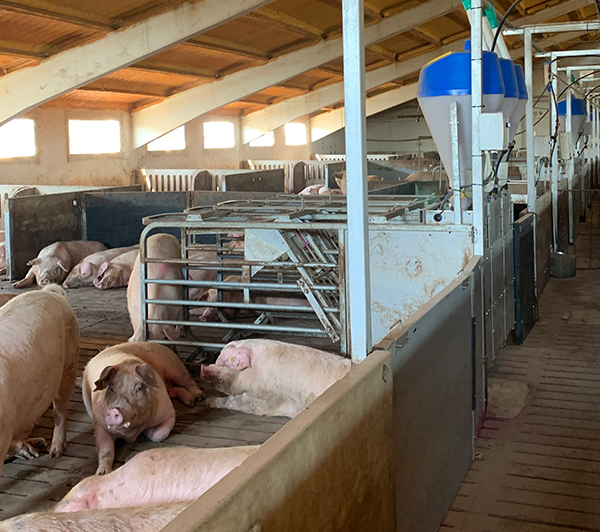
Housing conditions must facilitate movement and avoid locomotive problems. Photo: Rotecna.
Analyzing the reasons for culling to detect where the problem lies
To improve longevity, it is not enough to know the replacement percentage. It is necessary to analyze when and why sows are culled. Recording the reason for culling and the cycle in which it occurs makes it possible to identify patterns that may go unnoticed when only the overall figure is observed.
For example, if a significant share of culling is concentrated in the first cycles, it is advisable to pay particular attention to the adaptation of gilts, their development, body condition, reproduction and locomotor problems. If, on the contrary, culling predominates in older sows, the analysis should focus on the specific causes that are limiting their productive stay in the herd.
This monitoring also makes it possible to check whether the measures applied are producing results. The replacement rate, the age of culled sows, the number of cycles completed and the main reasons for culling provide a much more complete picture of the longevity of the breeding herd.
How can greater longevity be encouraged on the farm?
Improvement must begin before the problem appears. Proper preparation of gilts, adequate monitoring of their development and body condition, and good adaptation to the housing system are important to ensure that they enter the breeding herd with guarantees.
Once incorporated, the aim must be to keep them productive and in good condition for as many cycles as possible. To do this, it is necessary to adapt feeding to the different phases, detect reproductive or health problems early, and pay attention to any sign of leg conformation problems, excessive loss of body condition or decreased performance.
In short, improving longevity requires acting on the causes that lead to early culling. Analyzing replacement data and relating it to management, feeding, health and facilities makes it possible to identify where there is room for improvement and make more precise decisions.